
Turning High-Volume Email Into a Scalable System
My Role Lead Designer • Creative Direction • Email Design • Design Systems
Project Breakdown:
Overview
One Framework.
A Lot of Different Brands.
EMAIL DESIGN
DESIGN SYSTEMS
MULTI-BRAND EXPERIENCE
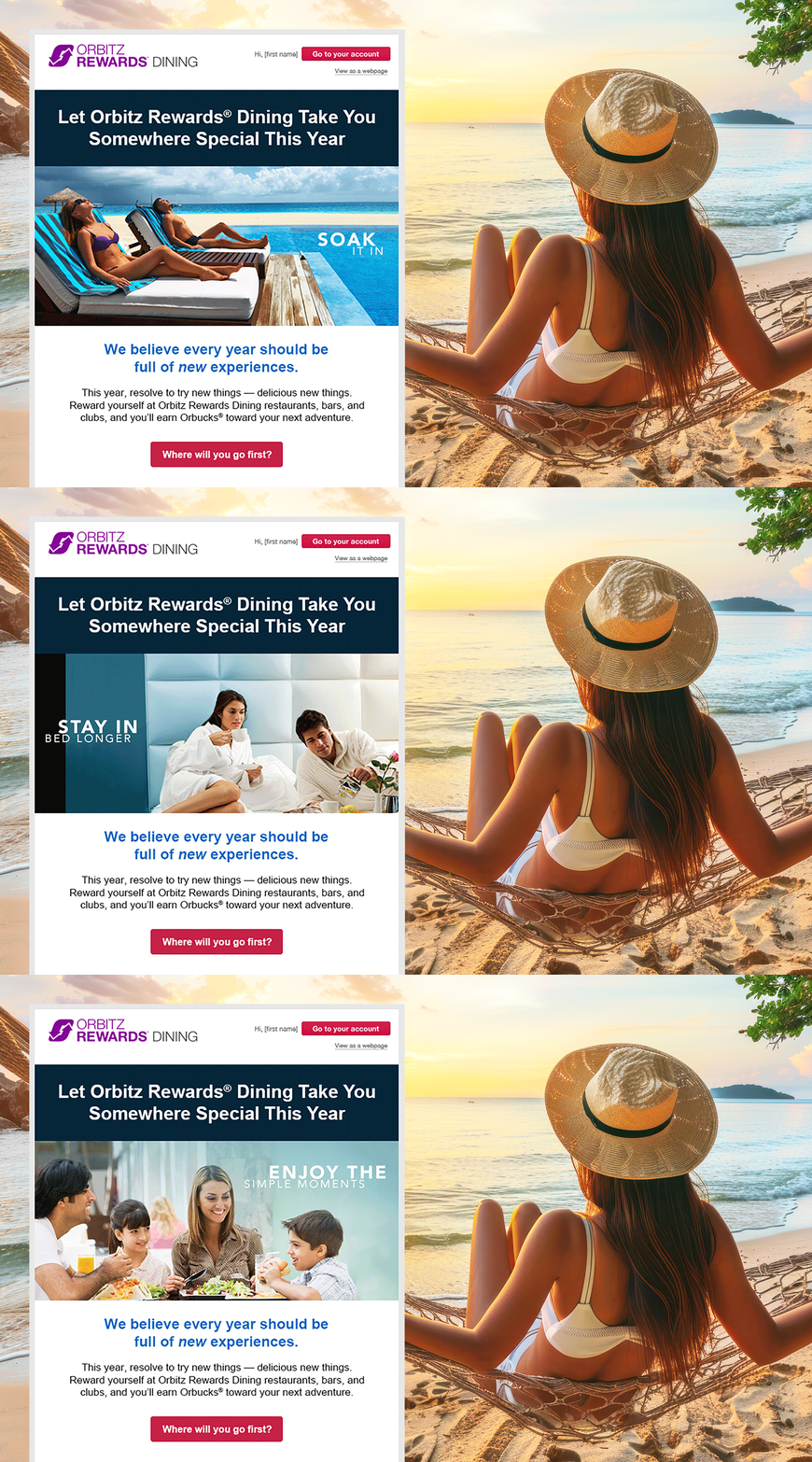
Rewards Network worked with a lot of loyalty brands. Different audiences. Different visual identities. Different personalities.
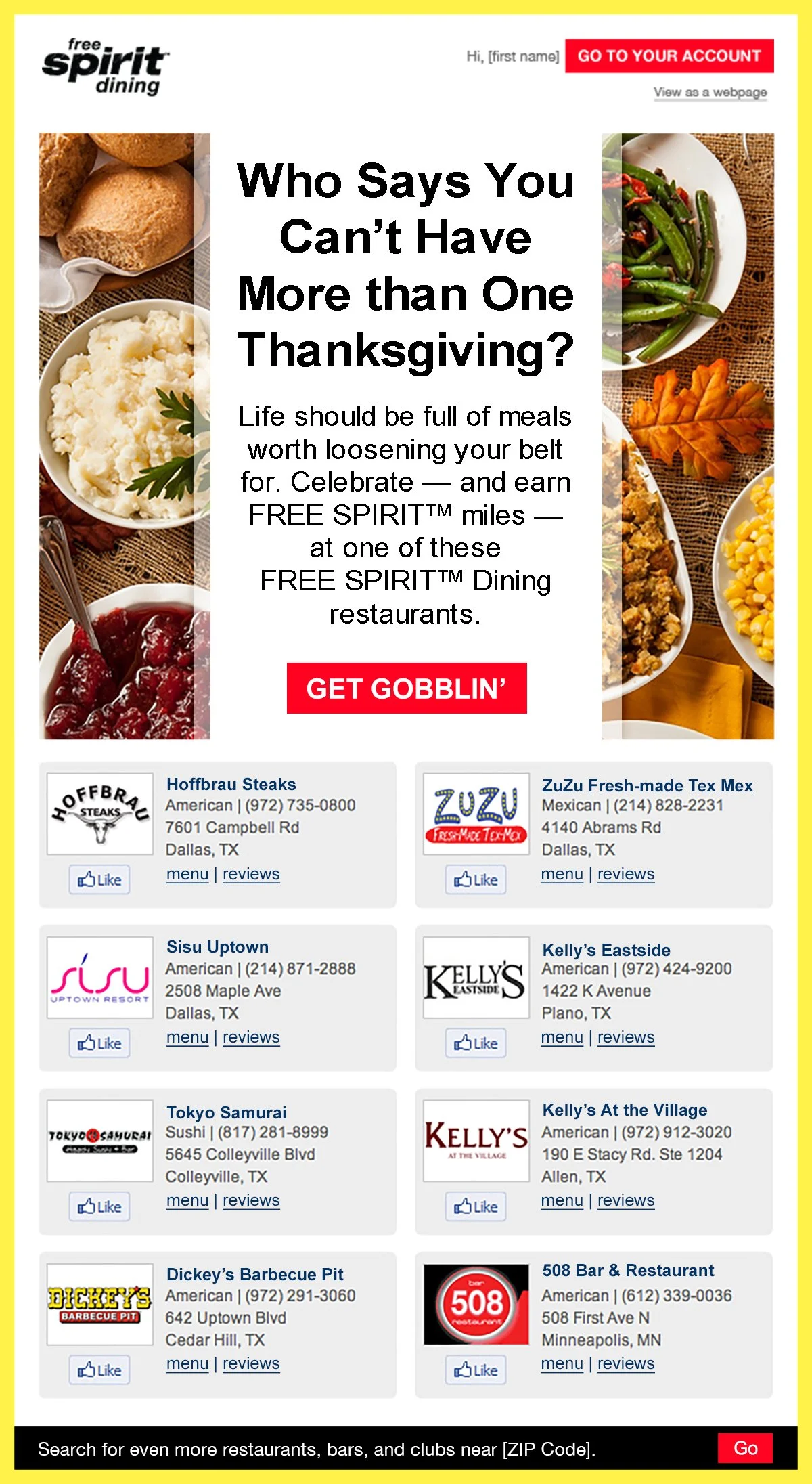
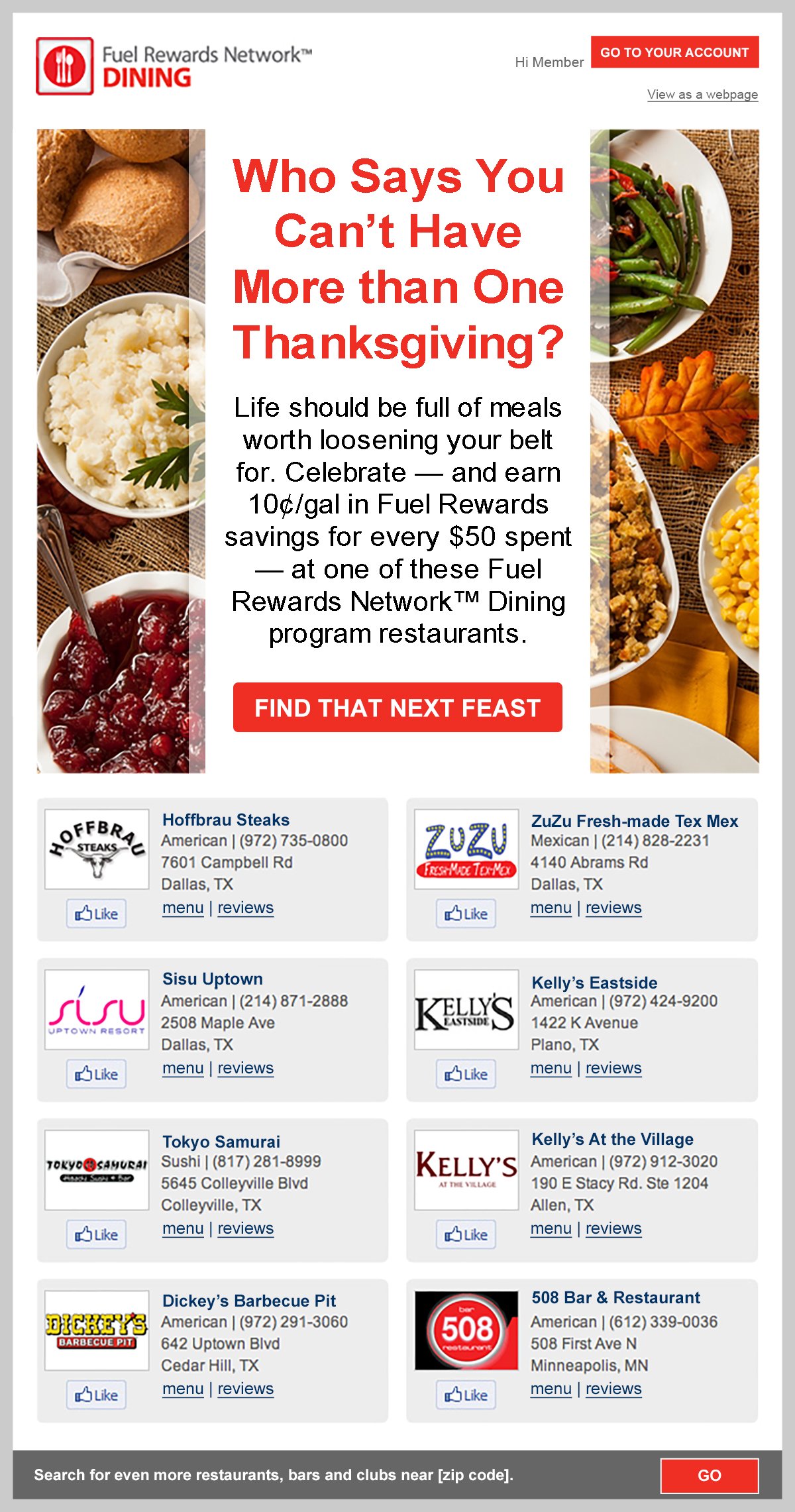
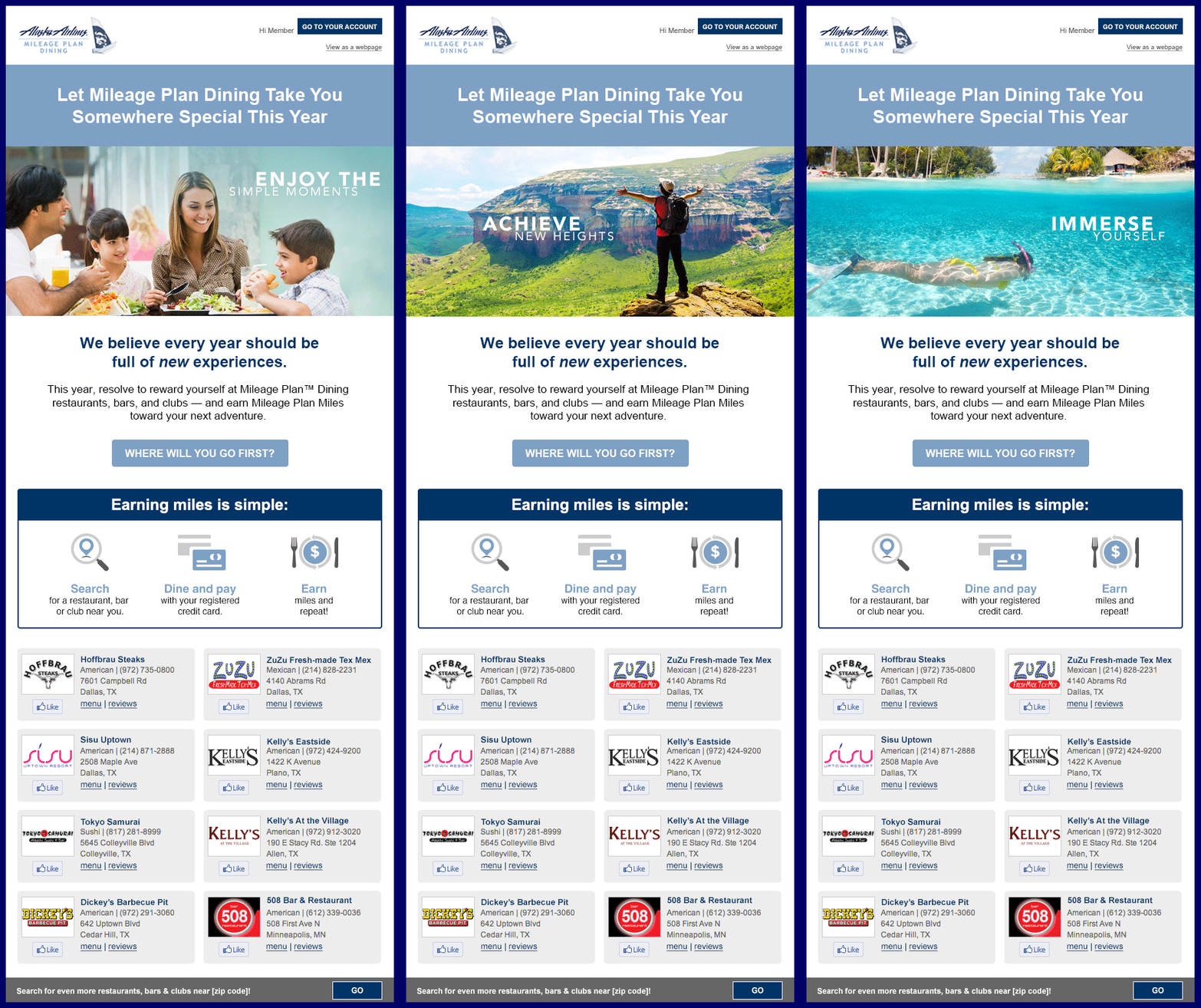
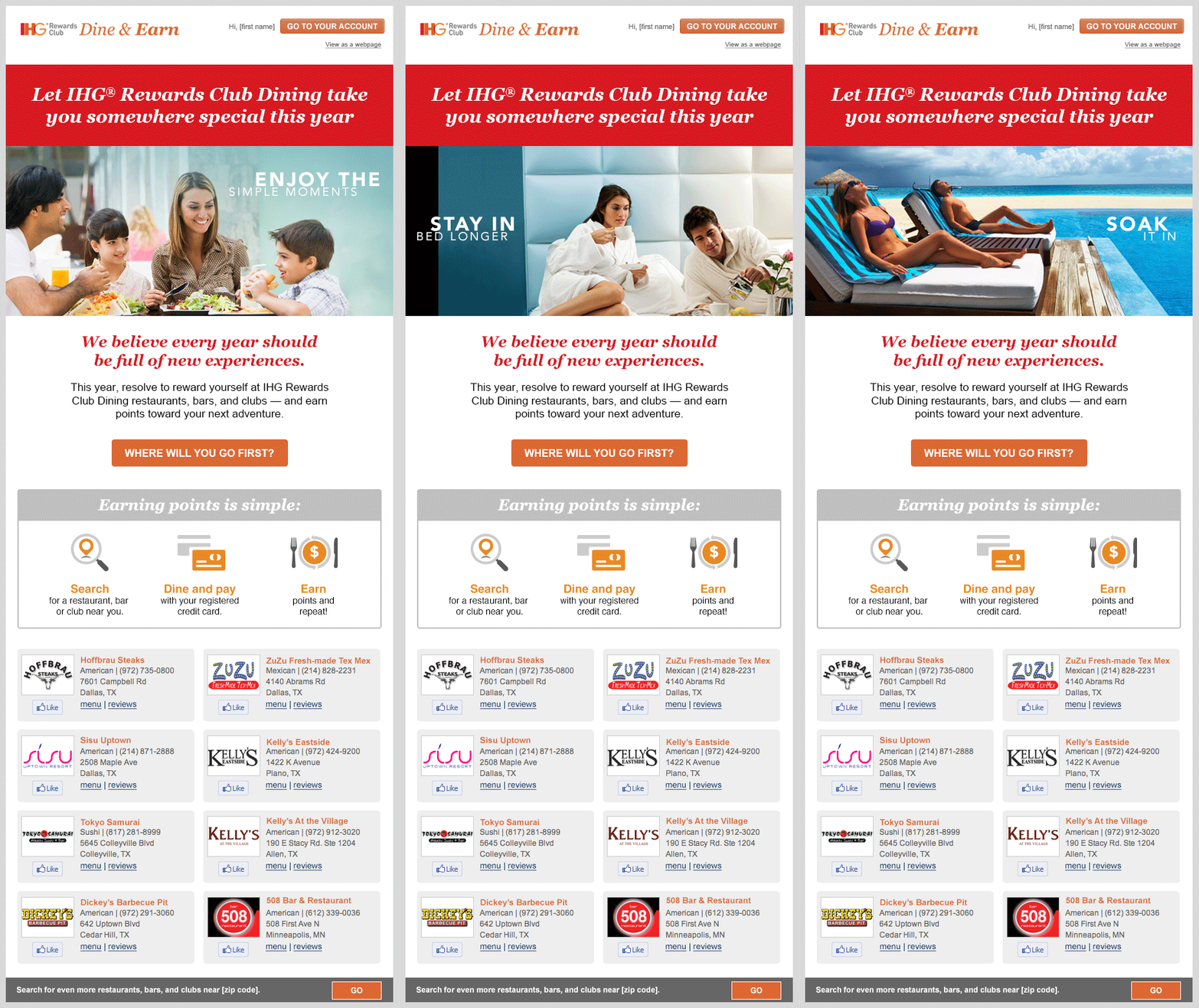
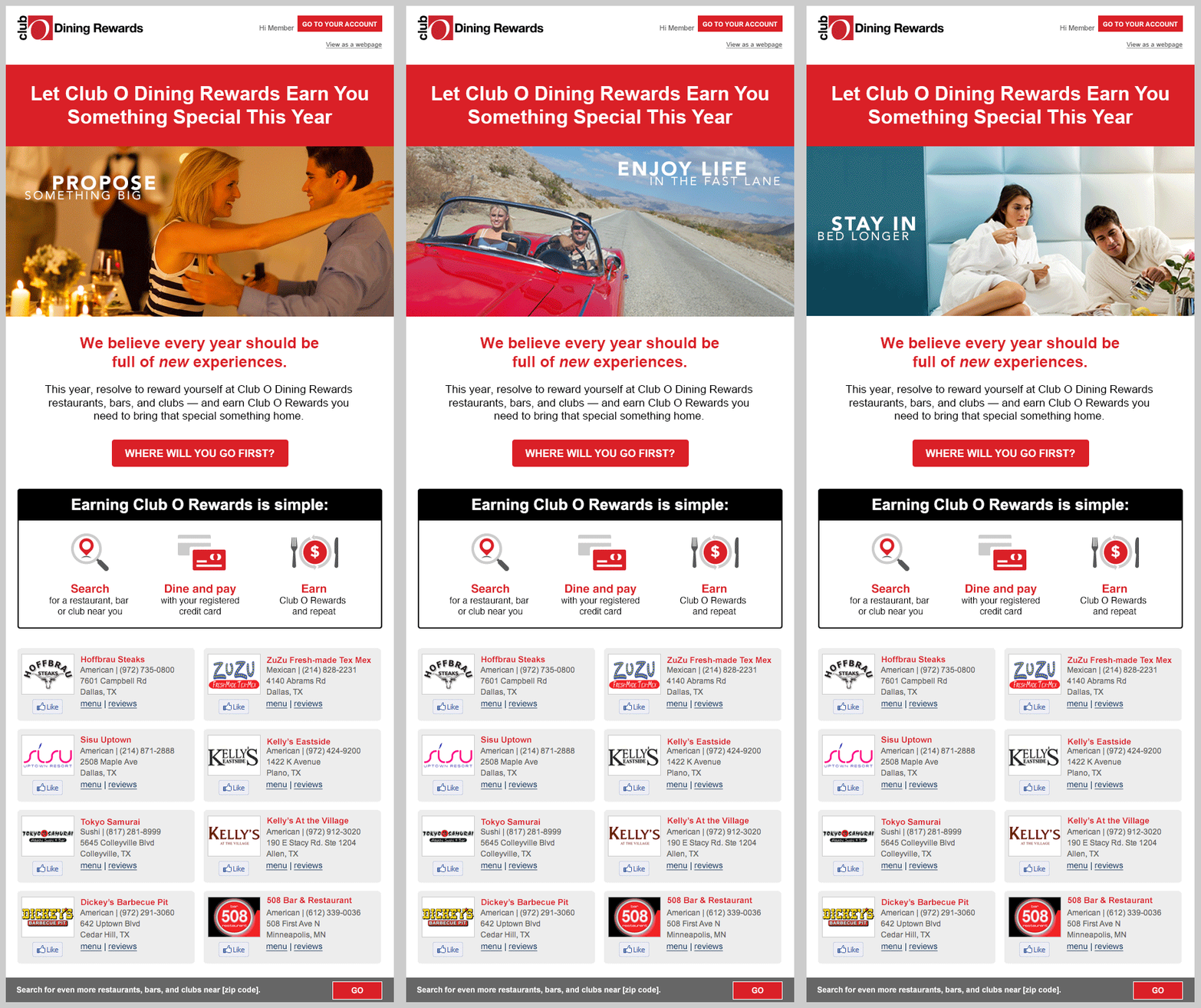
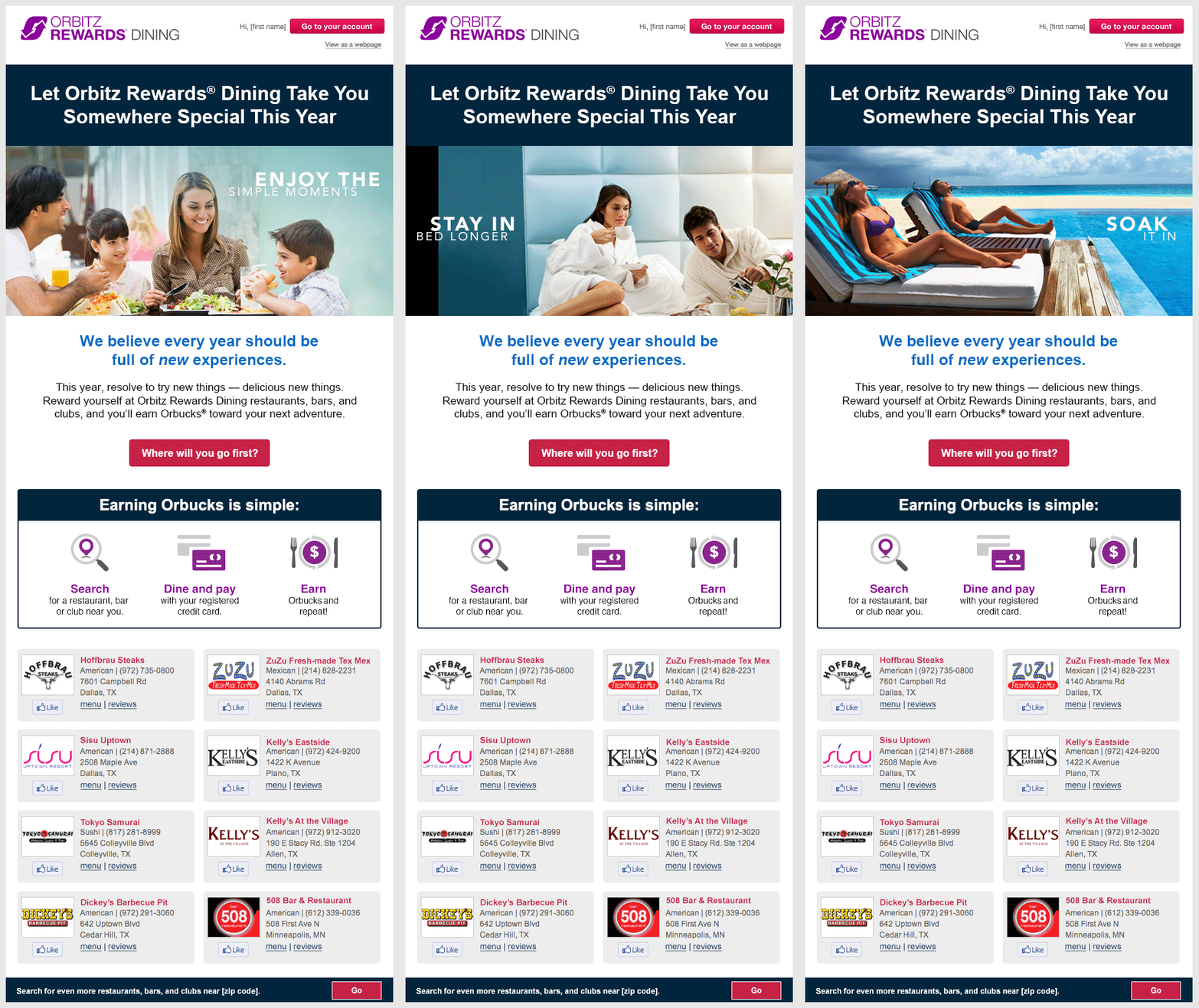
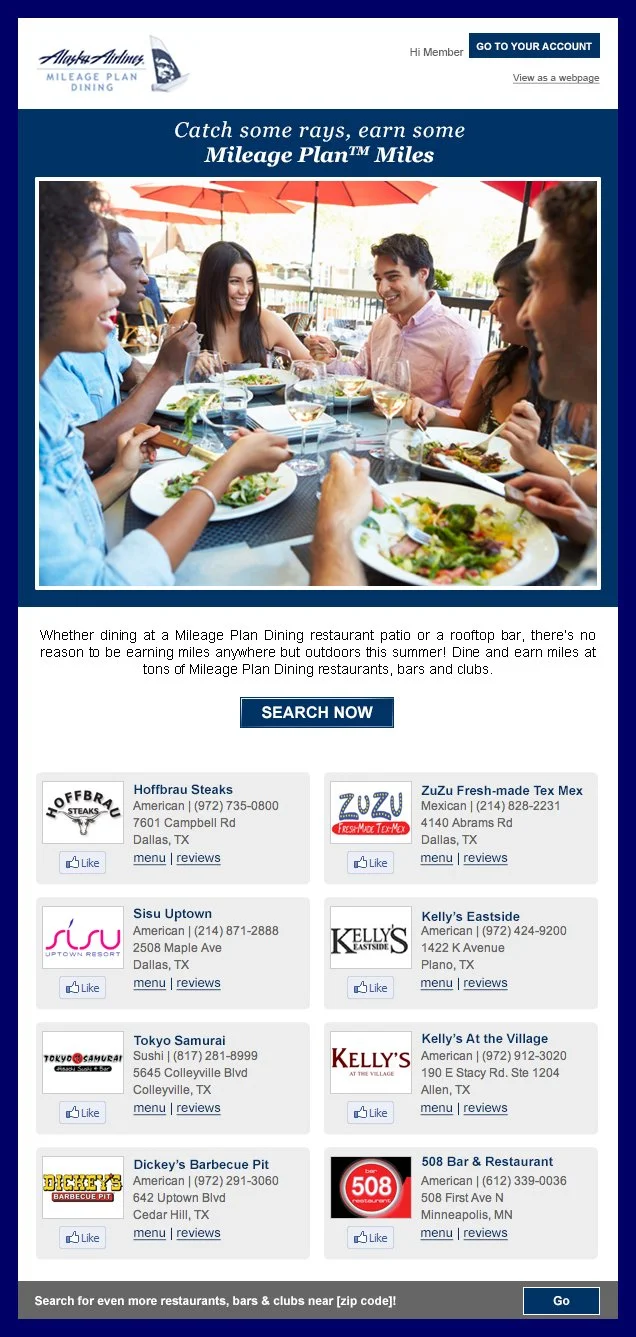
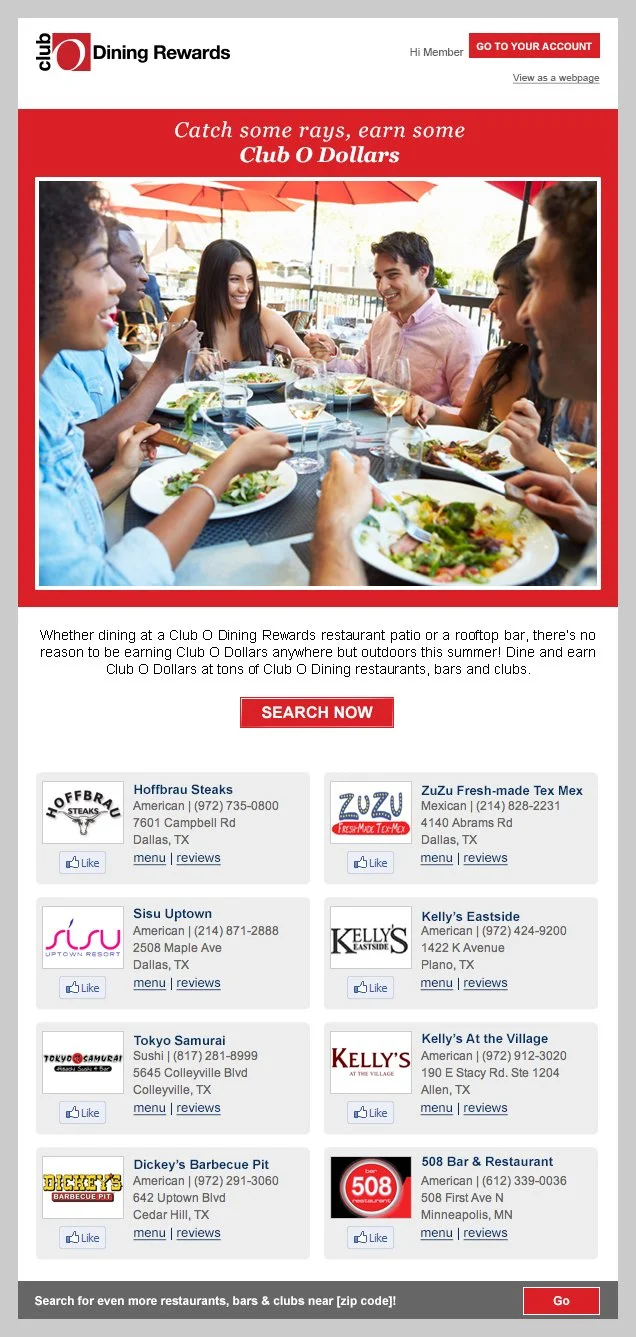
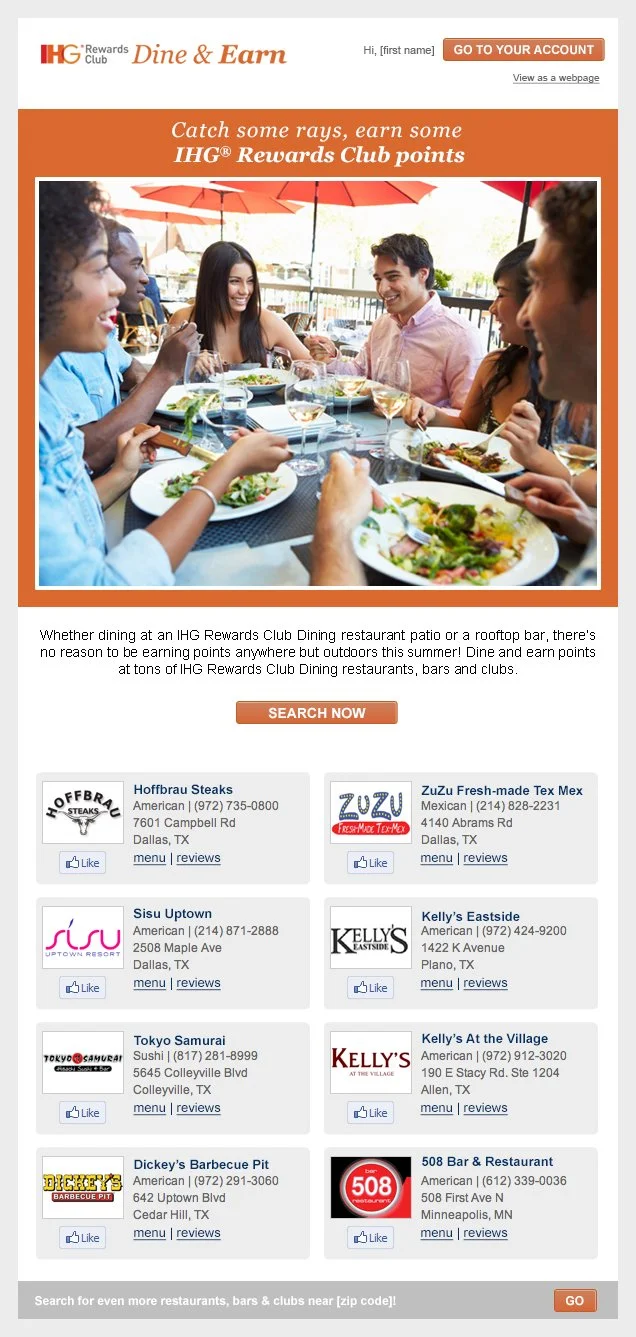
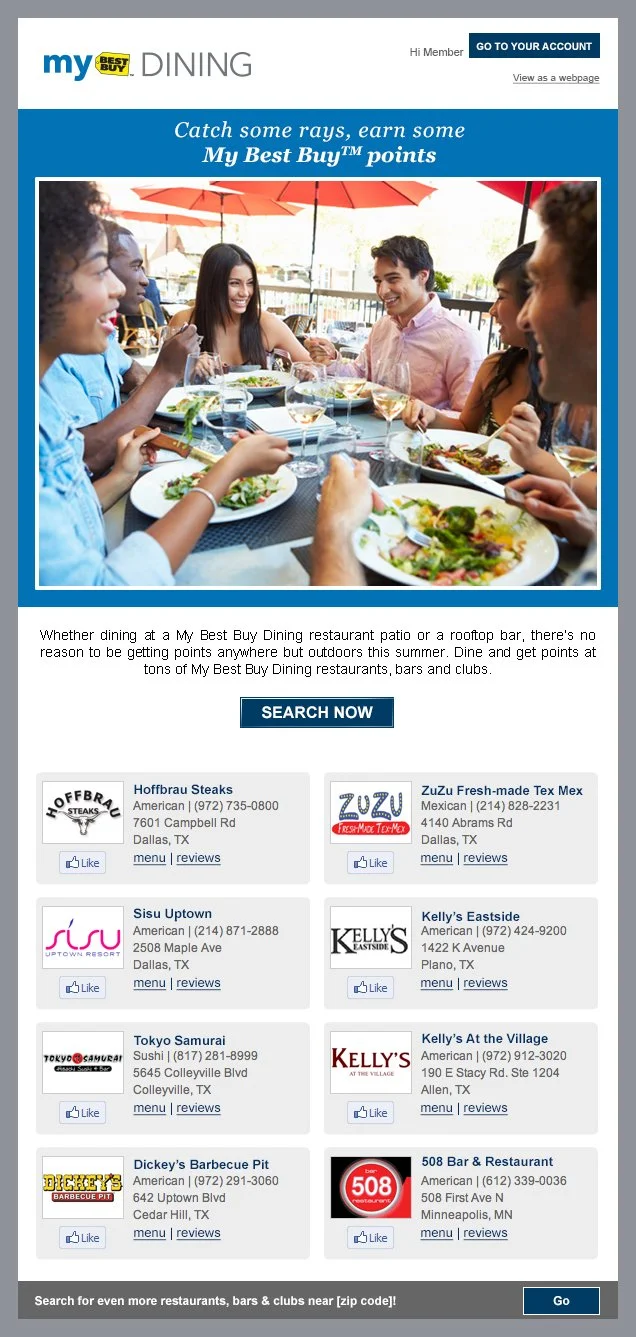
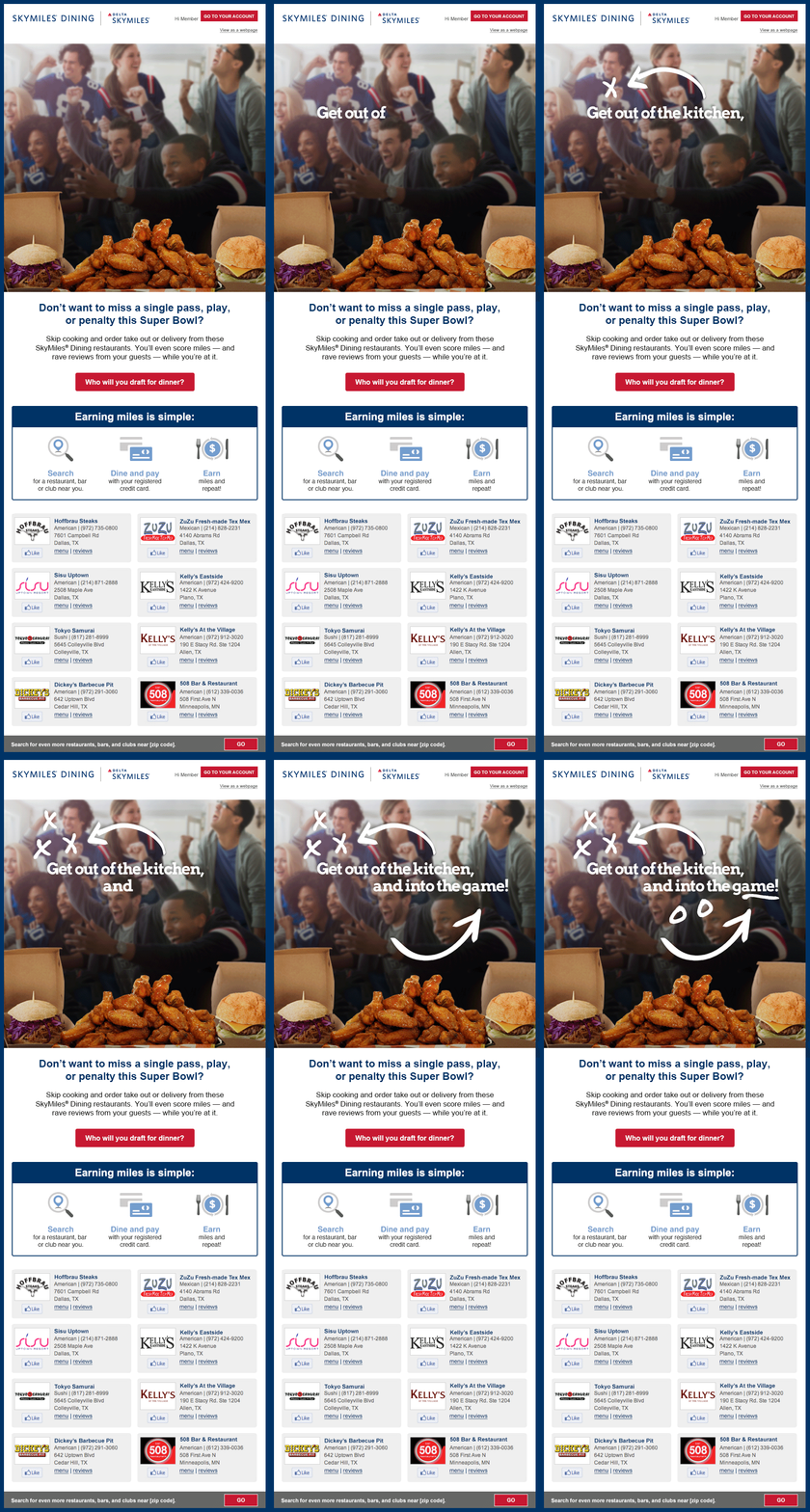
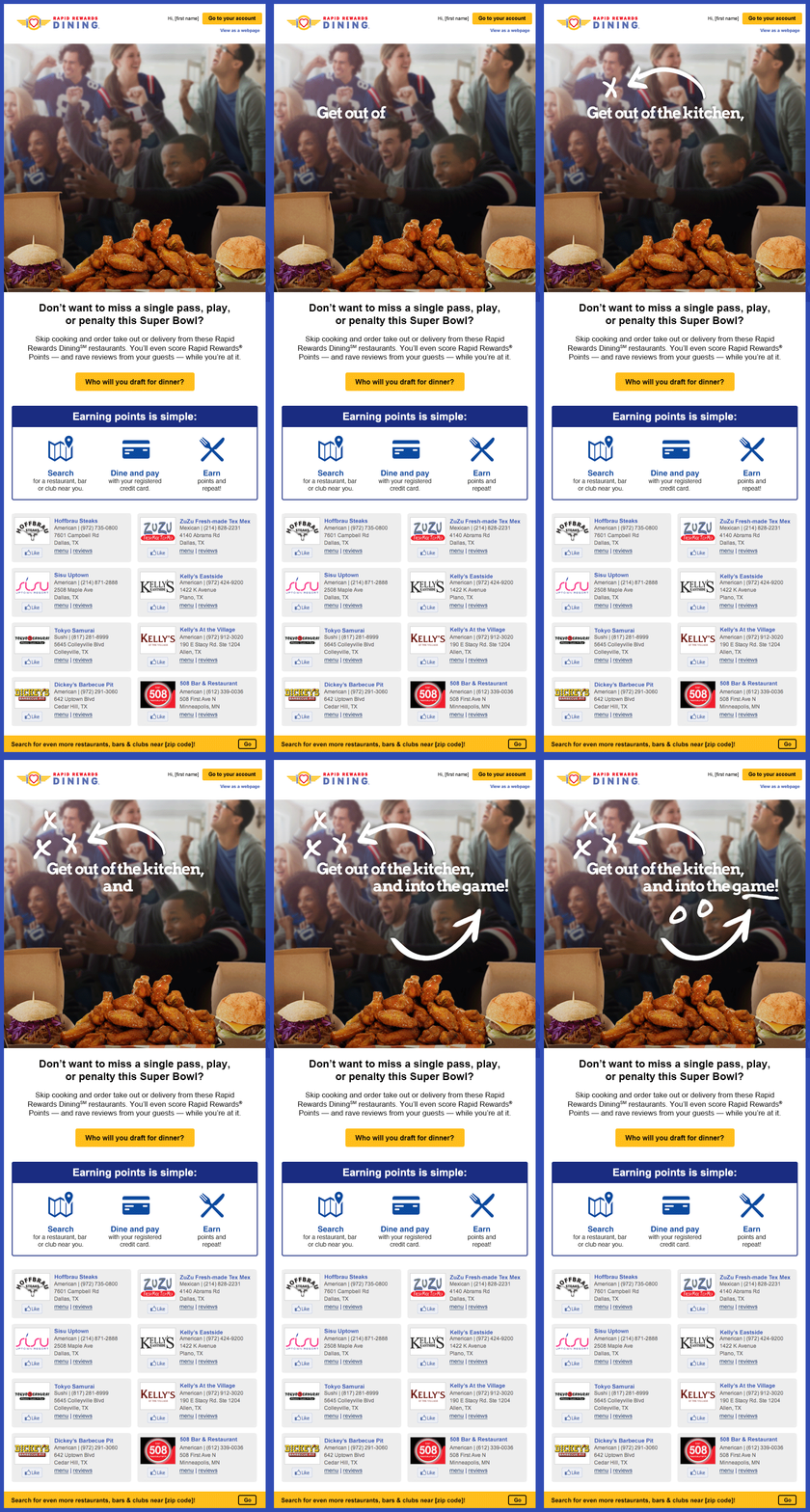
But the emails behind them still needed to work together. I helped create a flexible email framework that could be adapted across partner brands while keeping the underlying structure consistent. Layouts. Content hierarchy. Messaging. Promotional modules.
The brand could change. The system underneath it didn’t have to. That gave the team a more scalable way to create campaigns without starting from scratch every time.
With this many brands, there had to be a better way than starting over every single time.
The Challenge
The tricky part was scale.
Every loyalty program had its own brand guidelines, promotions, audiences, and content needs. Some campaigns were offer-heavy. Others focused on restaurants, travel, seasonal moments, or member rewards.
We needed enough consistency to make production easier. But not so much consistency that every brand started looking the same. So the challenge became finding the pieces that should stay consistent. Structure. Hierarchy. Repeatable modules. Then letting the visual identity flex around them.
The last thing I wanted was for everything to start looking exactly the same.
The Brand Network
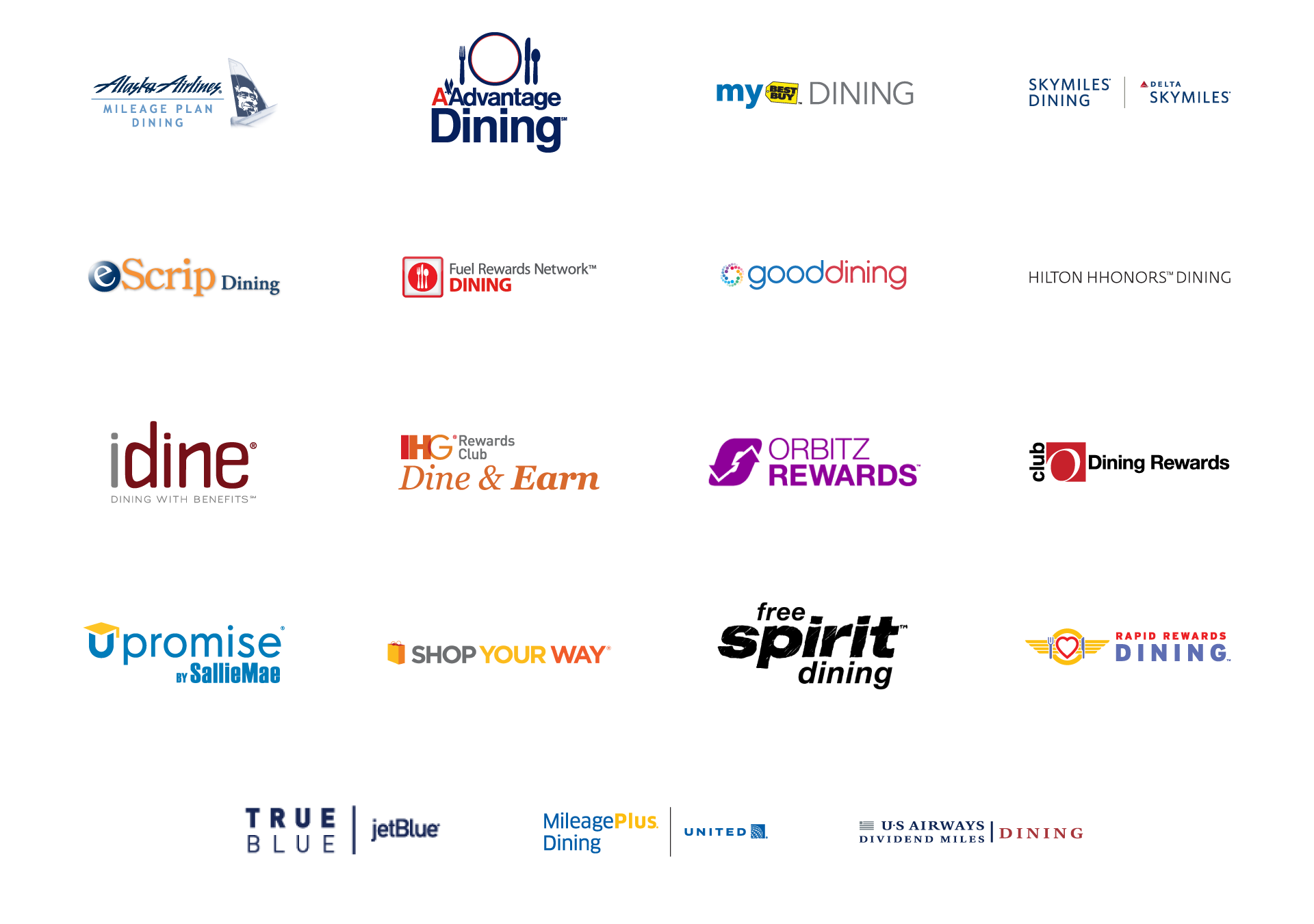
One Program. A Whole Lot of Brands.
Rewards Network partnered with dining programs across travel, hospitality, airlines, and loyalty brands. It was a big network. And every partner came with its own identity, audience, and brand standards.
The email system needed to work across all of them. Flexible enough to feel different from brand to brand. Consistent enough that we could actually scale the work.
Looking at all of these logos now… yeah, there were a lot of them.
The Email Work
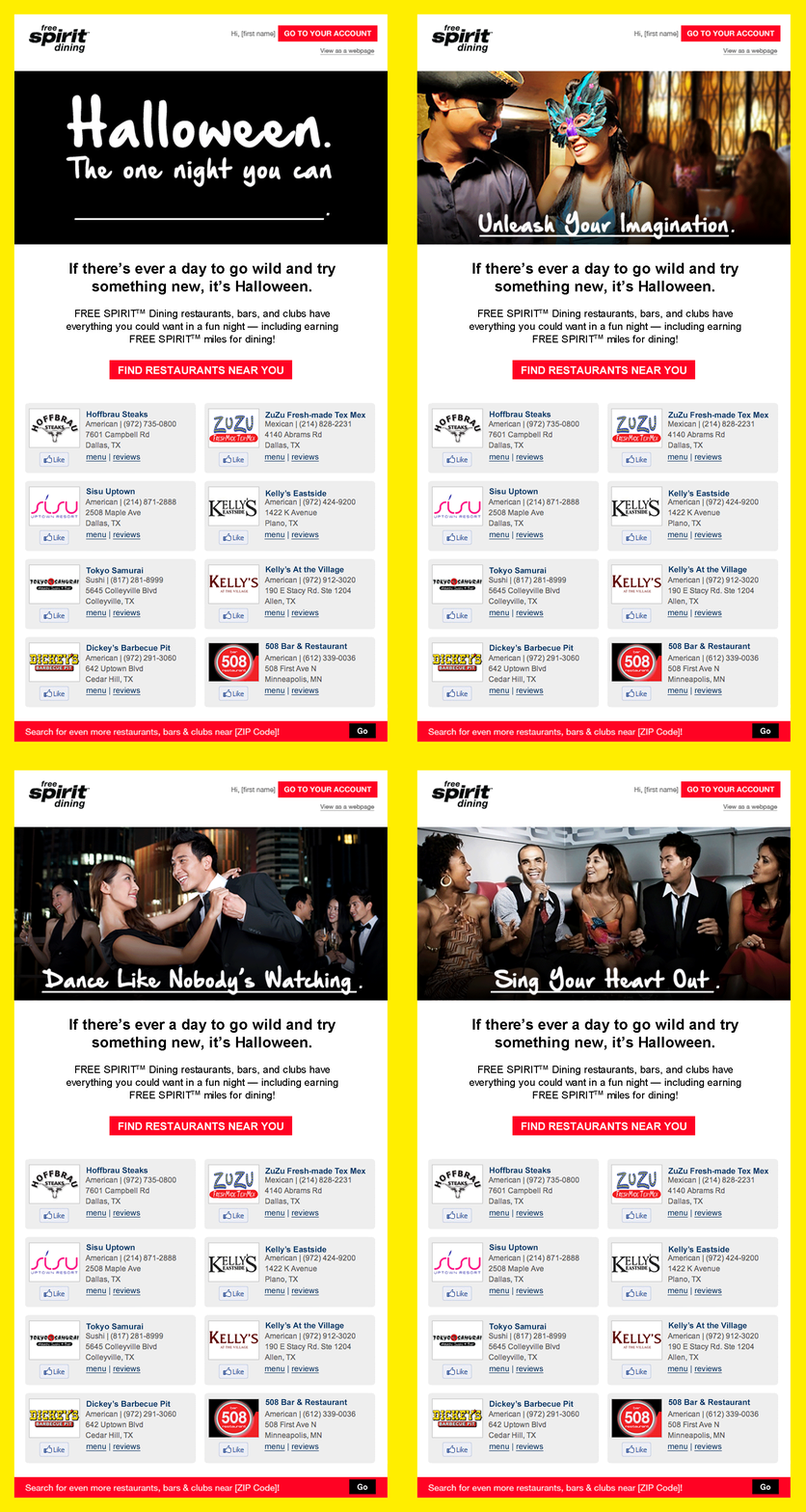
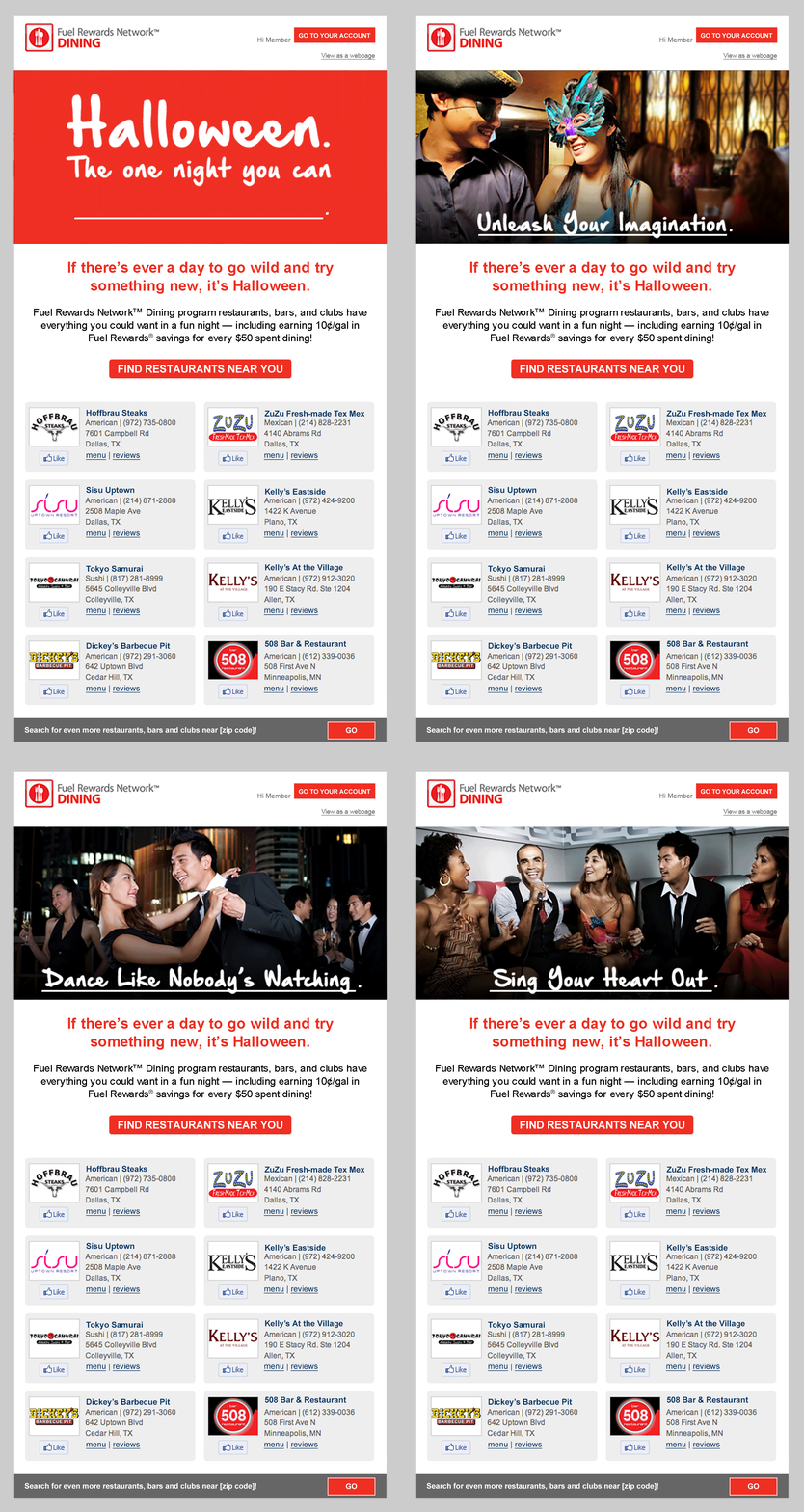
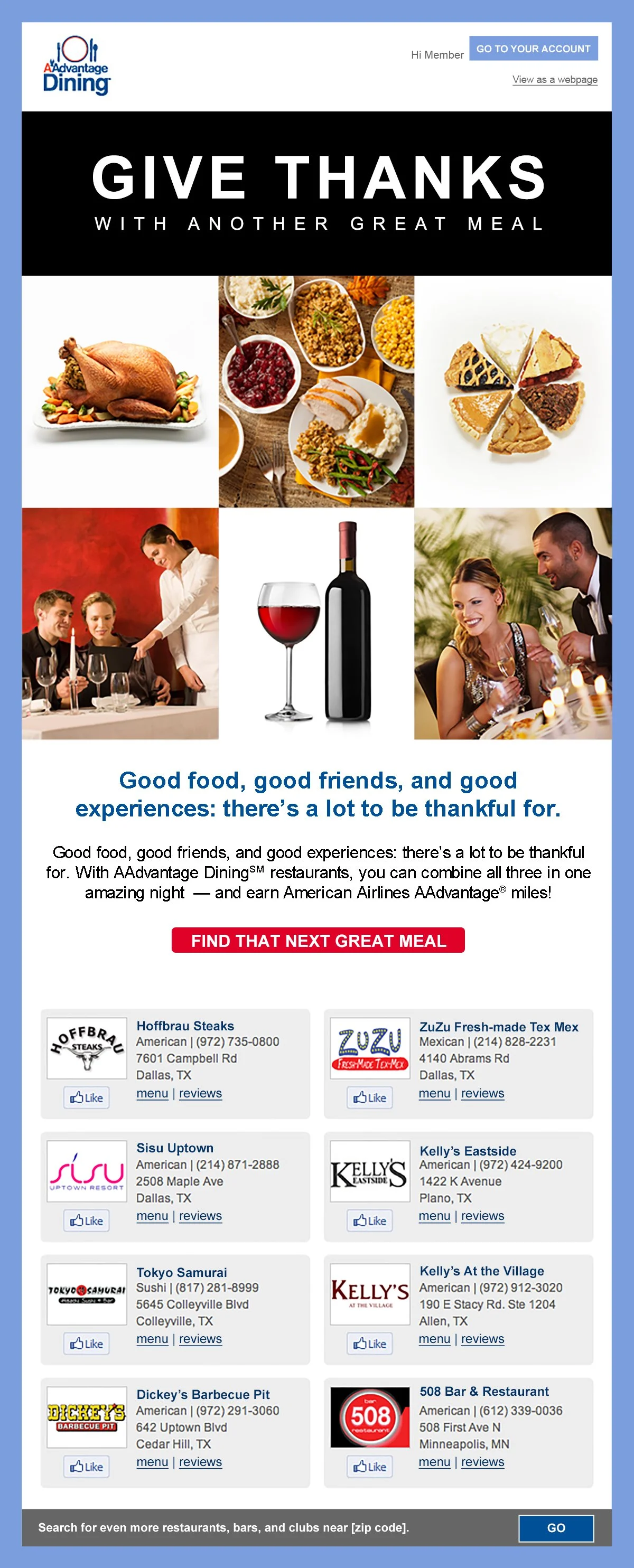
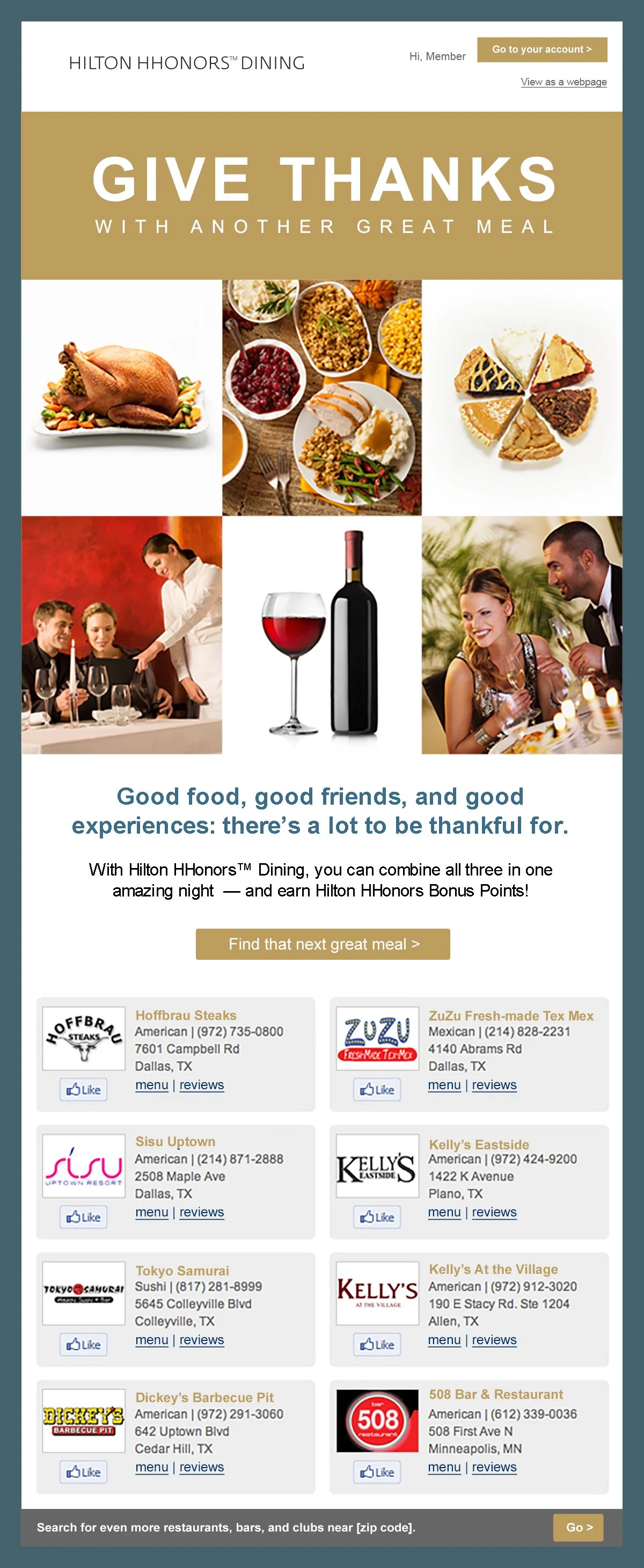
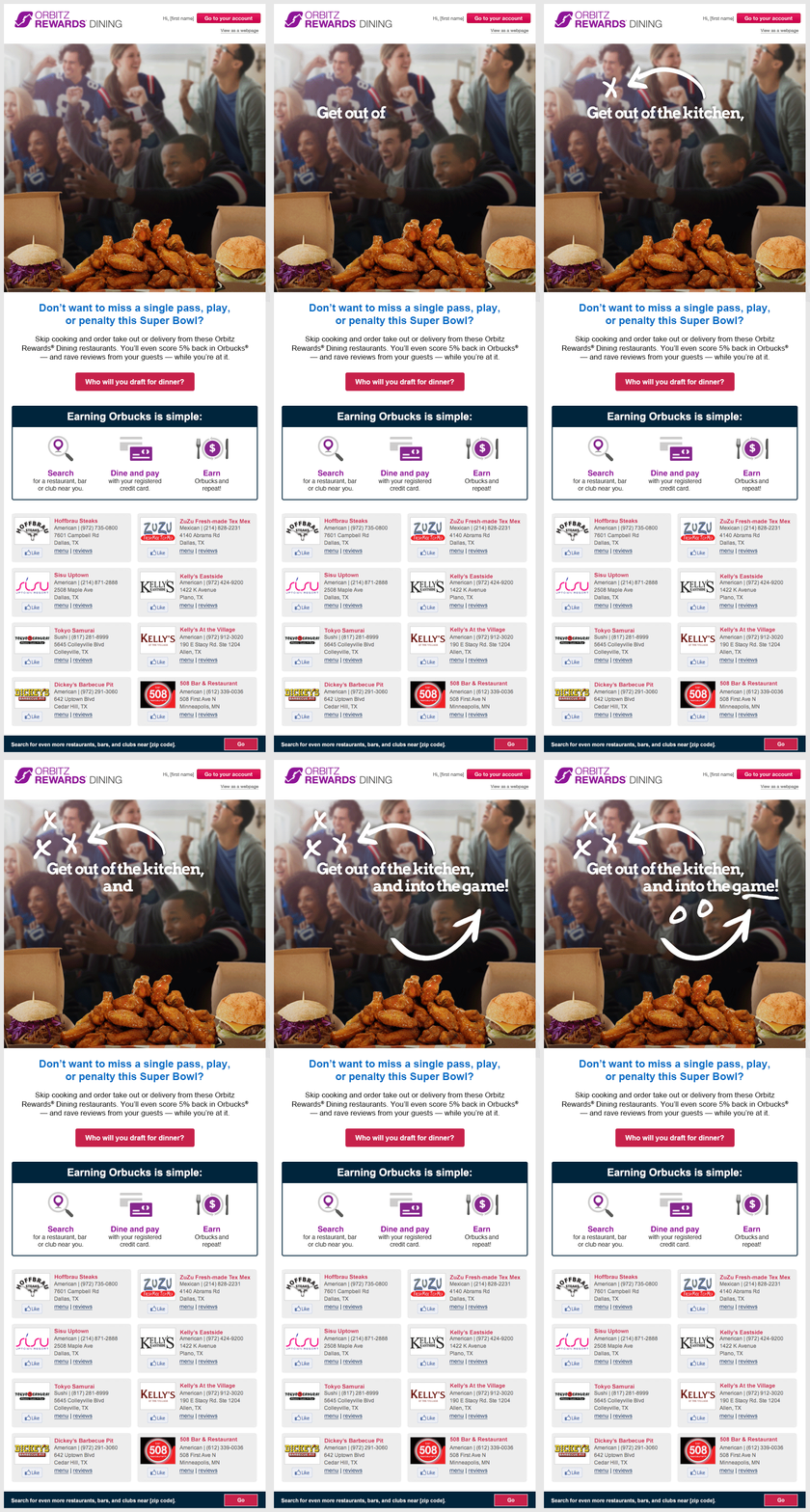
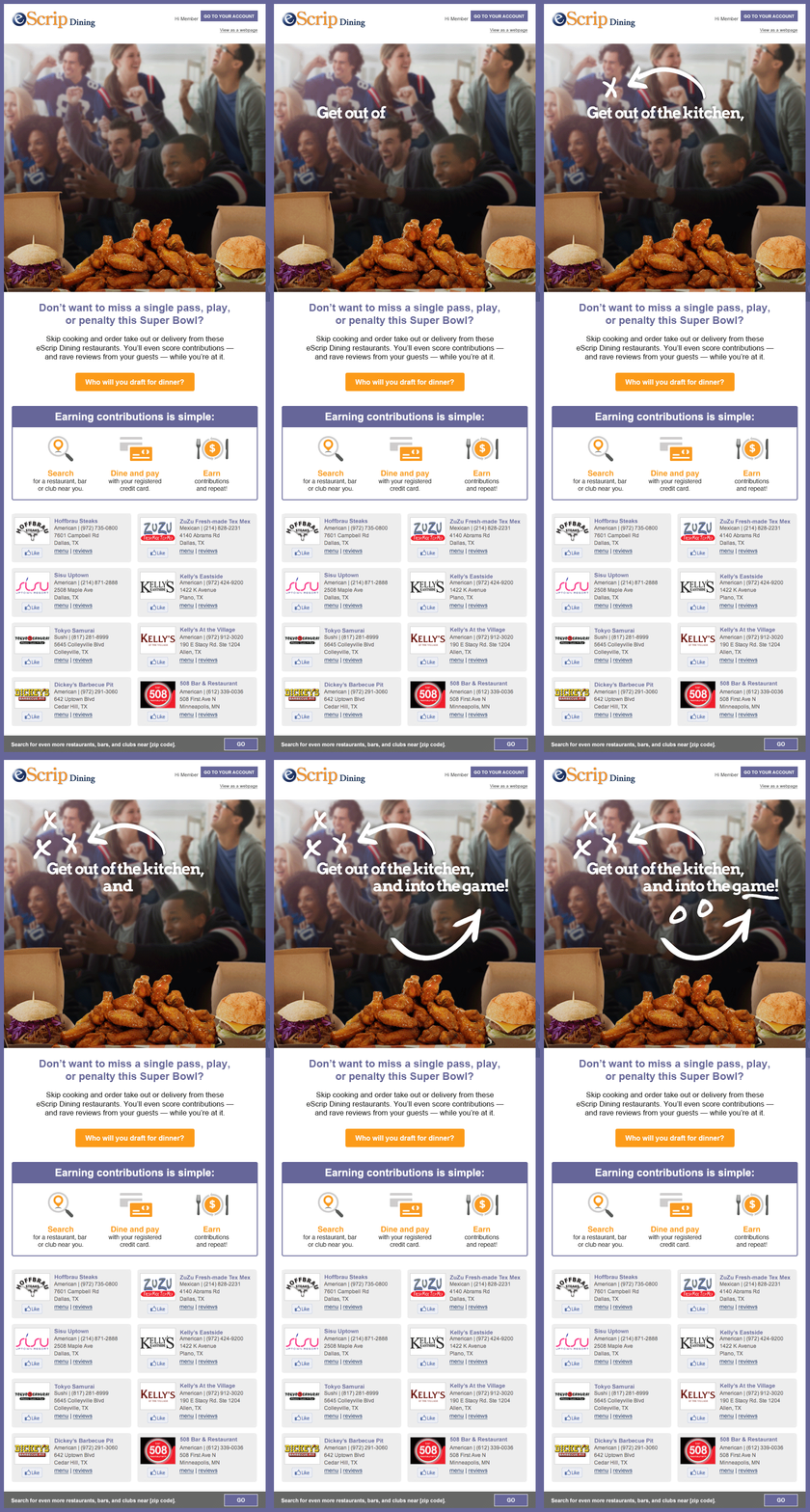
Building a System That Could Keep Up
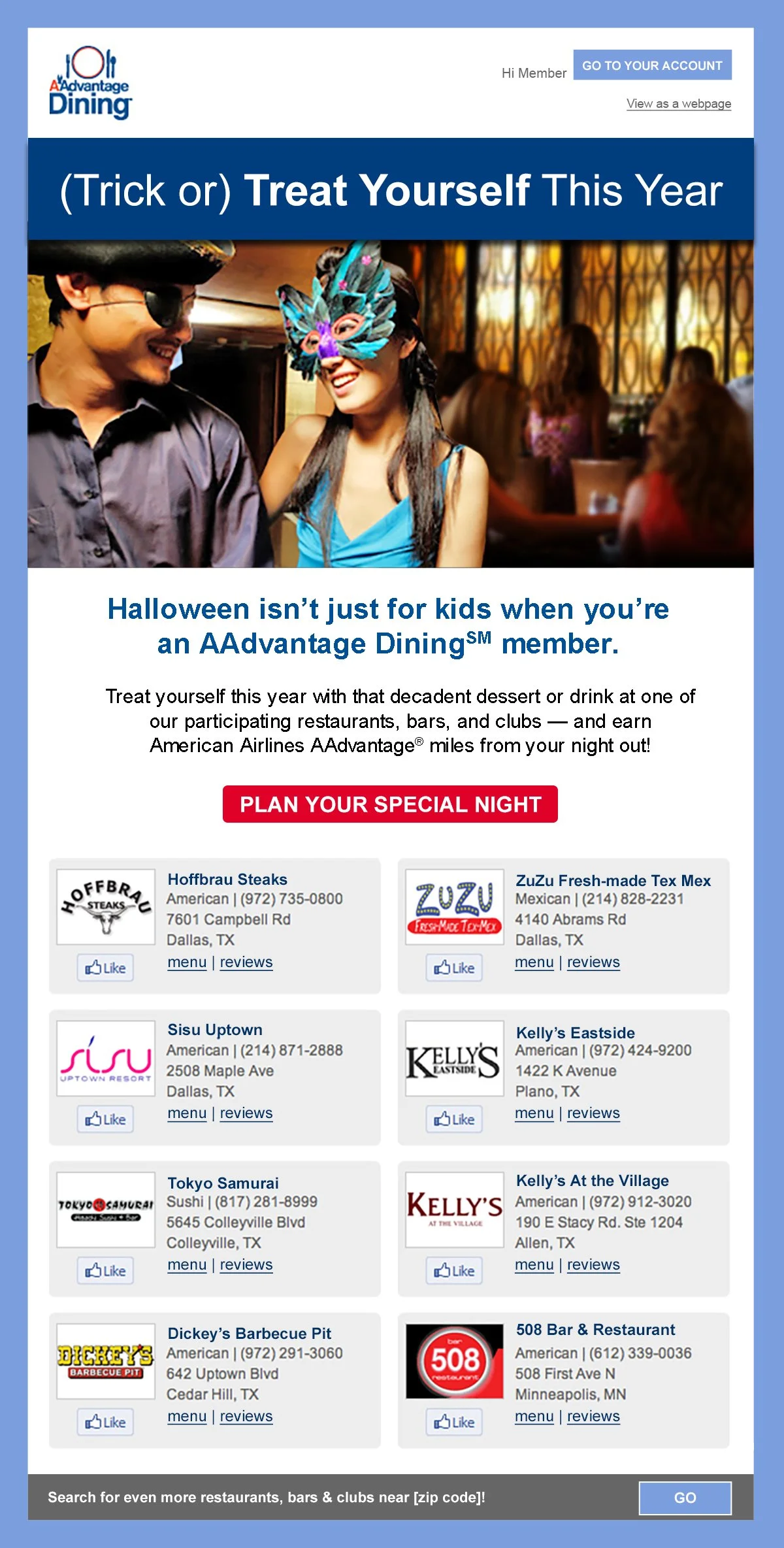
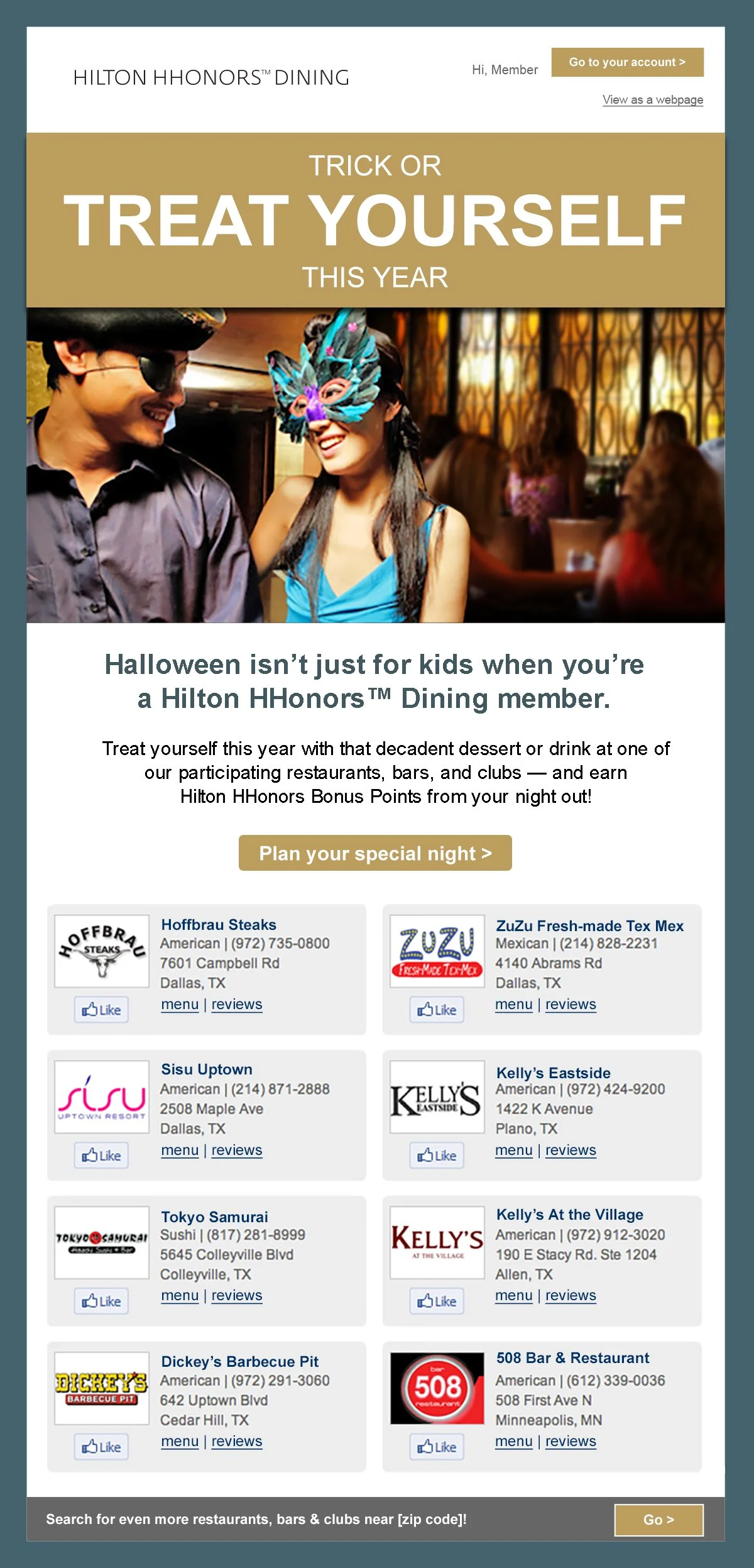
There were a lot of emails. A lot of campaigns. And a lot of brands that needed their own version of the work.
The framework gave us a more consistent way to handle all of it.
Instead of rebuilding every campaign from scratch, we had a system we could work from. Layouts became more repeatable. Production became more efficient. And adapting campaigns across multiple loyalty partners became much easier.
But the brands still needed to feel like themselves. That was important. The system created consistency behind the scenes without taking away what made each partner different.
And when you’re designing across this many brands, that kind of flexibility matters.
I don’t think I realized it at the time, but I was learning how to design for scale.